
Product venture studio

Validate the product before code,
the market before scale

We validate demand, design and build the product, audit existing code and carry the launch through to the first confirmed sales.

Development principle

From demand validation to a sustainable product

For founders and companies building a new product or wanting to understand the state of an existing one: from market hypothesis to architecture, code and launch.

When a company needs more than a website — a working digital product such as an MVP, SaaS, platform, client portal or internal service — it is important to first define the user's job, the scope of the first version and how demand will be validated.

We combine Product Discovery, prototyping, architecture, development and integrations into one process. The team tests the most expensive assumptions before they turn into months of development and technical debt.

The first version gets exactly the features needed for a real use case. After launch, the product collects data for the next decisions: what to improve, what to remove and when to scale.

Start
Discovery and risks
First version
Testable MVP
Link
Product and Go-to-Market
In plain words

What it is and why it matters

What it is
We build a new digital product or assess an existing one: we validate demand before development, design and build the first version and carry the launch to first confirmed sales.
Who it is for
A founder with an idea for an online service or app who doesn't want to spend months building blind, or a company that needs to understand the state of its code before growth, a team change or a deal.
What you get
A validated idea or a reasoned decision not to build, a prototype, a working first version (MVP) with needed integrations, or a technical risk map with a work plan.
Where to start
Tell us what you have now — a new product idea or a running system — and we will suggest where to begin: demand validation and a prototype, or a technical audit.

Product Discovery

We check whether the problem exists, who is willing to pay to solve it and why current alternatives fall short.

  • interviews and customer segmentation;
  • competitor and alternatives map;
  • value and monetization model validation;
  • risk register and development decision criteria.

Result: a confirmed product hypothesis or a reasoned decision not to invest.

Prototyping and UX

We turn the hypothesis into an interface you can show users before building the full system.

  • user scenarios and information architecture;
  • interactive prototype of the key user path;
  • comprehension and intent-to-act tests;
  • technical scope and MVP estimate.

Result: a testable product model and requirements for the first version.

SaaS and e-commerce development

We build an MVP or e-commerce setup around one measurable user and business scenario.

  • UX/UI, frontend and backend;
  • catalog, ordering, payment and client portal;
  • CRM, analytics and necessary integrations;
  • secure launch and product event tracking.

Result: a working product ready to test demand with real users.

Product technical audit

We check how ready the codebase, architecture and infrastructure are for further development, higher load or handover to a new team.

  • architecture, code quality and critical dependencies;
  • security, access management and data handling;
  • performance, stability and observability;
  • technical debt, scaling risks and remediation plan.

Result: a technical risk map with priorities, business impact assessment and a work plan for the development team.

API and service integration

We connect the product to international and local services through official APIs — payments, maps, government services, CRM and analytics — with error monitoring.

  • payments and installments: Kaspi, cards, banks;
  • maps and geo services: 2GIS, Google Maps;
  • CRM, ERP and external APIs;
  • webhooks, queues and integration monitoring.

Result: the product is connected to the necessary services and works as part of a single system.

Product go-to-market

We connect product, offer, channels and sales so the launch produces data for decisions, not just reach.

  • GTM plan and experiment sequence;
  • funnel and key event analytics;
  • first campaigns and sales;
  • learning loop and next-release priorities.

Result: early market signals, first customers and a data-driven development plan.
Glossary

Terms in plain words

MVP
A first product version with just enough features for one real use case. It tests demand on real users before major development spending.
Product Discovery
Research before development: whether customers have the problem, who is willing to pay to solve it and why current alternatives fall short.
Prototype
A clickable interface mock-up built without full development. It is shown to users to check whether the product is clear and wanted.
Technical debt
Accumulated shortcuts and gaps in the code that slow product development and make every next change more expensive.
Webhook
An automatic notification one service sends another when an event happens, such as a payment, so both systems update their data immediately.
Learning loop
The cycle of launching, collecting data and deciding what to improve. It sets the priorities for the next release.

Frequently asked questions

How we make product decisions

Do we have to start with an MVP?

No. Sometimes a prototype, a concierge test or a manual pilot is enough. The validation format is chosen based on the most expensive and uncertain risk.

What does a technical audit include?

We review the architecture, repository, dependencies, security, performance, infrastructure and development processes. The depth of the review depends on the product and the business risk.

Can you run an audit before we acquire a product?

Yes. An audit helps assess technical debt, dependence on key developers, the cost of further development and integration risks before a deal or investment.

When does marketing come in?

The channel plan takes shape during Discovery, and the first market tests run before or alongside the MVP, so development doesn't happen in isolation from demand.

How much does MVP development cost?

The cost depends on the number of user scenarios, platforms and integrations, so estimating it from a wish list makes little sense. After Discovery and prototyping we fix the boundaries of the first version and estimate a specific scope of work. This protects the budget from features that are not needed to validate demand.

How long does it take to build an MVP?

The timeline depends on the scope of the first version and its integrations. We build the MVP around one measurable scenario to reach real users as early as possible, and we set the timeline after the prototype, once requirements are clear. Anything not needed to test the hypothesis moves to later releases.

How is Product Discovery different from market research?

Market research describes the market, while Product Discovery answers what exactly to build and whether to build it at all. We check whether the problem exists, who is willing to pay for a solution and why current alternatives fall short. The result is a validated hypothesis with requirements for the first version or a reasoned decision not to invest.

Is working with you a fit for a founder without a technical team?

Yes. We take on Discovery, prototyping, architecture and development of the first version, and help with Go-to-Market. As the product grows, we help prepare it for handover to your own development team so it inherits a clear architecture and codebase.

Can you take over a product started by another team?

Yes. We start with a technical audit to assess the architecture, code quality, security and technical debt. Based on the results we propose a plan — improve the current system, rewrite critical parts or close risks first — and only then continue development.

Can you connect Kaspi and other Kazakhstan services to the product?

Yes. We integrate payments and installments via Kaspi, cards and banks, geo services such as 2GIS and Google Maps, as well as CRM, ERP and other external APIs. We use official APIs, webhooks and monitoring so that integration errors are visible before customers notice them.

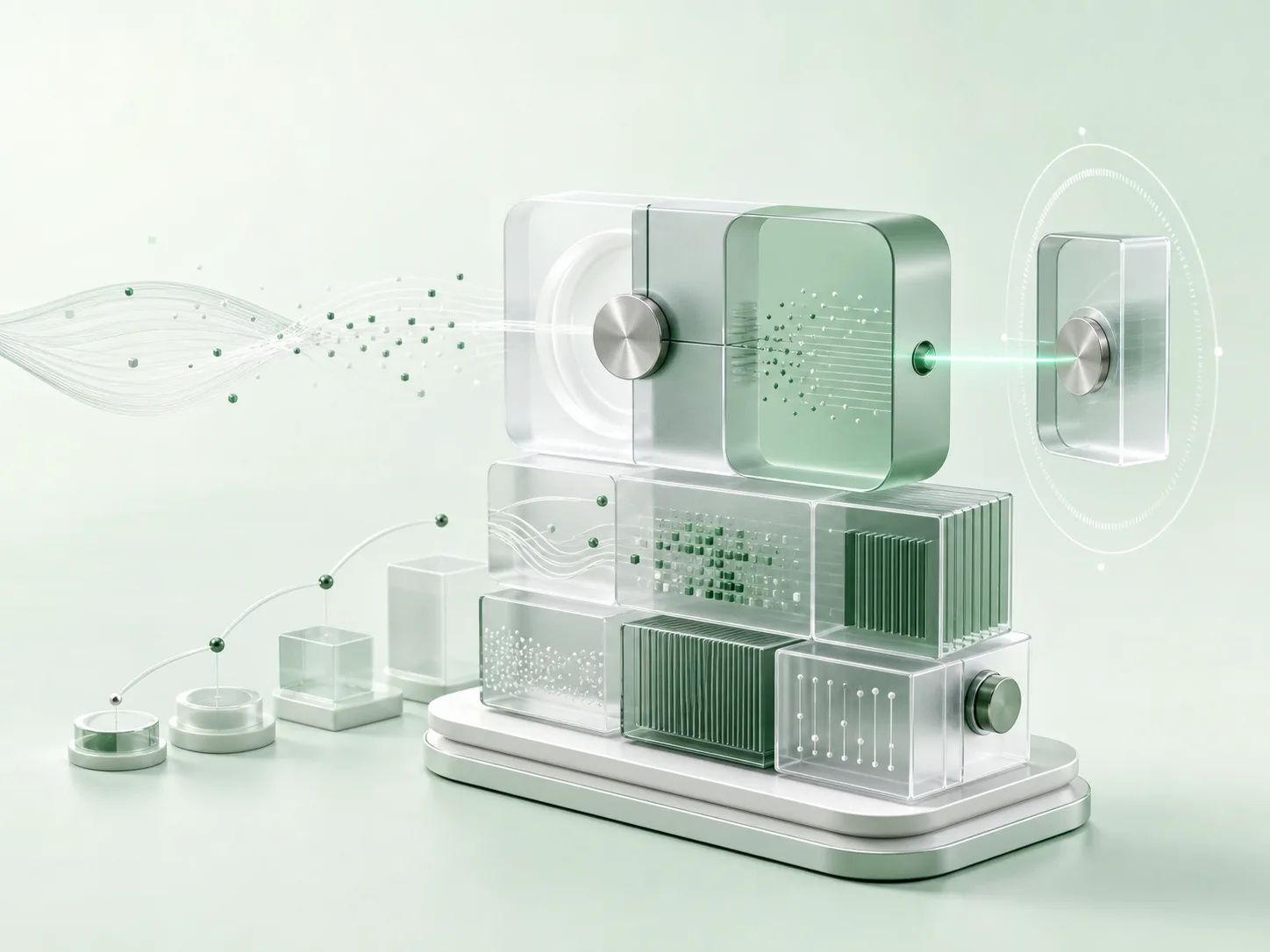
Modular product architecture undergoes precise testing before assembly