Discover
Capture hypothesesWe define the problem, segment, alternatives, value, willingness to pay and the decision the team will make based on the results.

Product development → Product Discovery
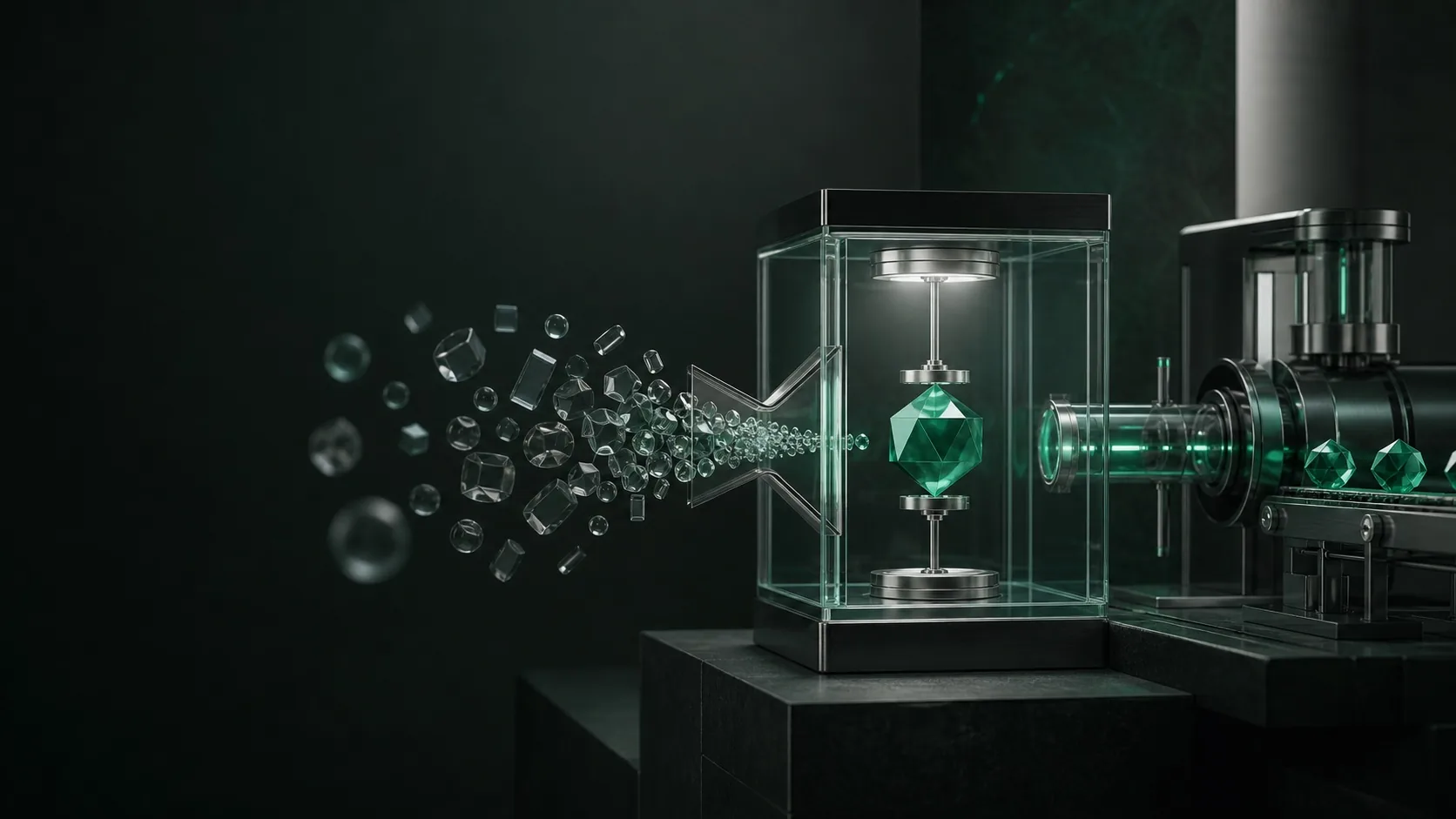
We test the problem, segment, alternatives, value and willingness to pay before you build an MVP. The output is evidence, risks and a decision on the next experiment.
Discuss your projectOverview
Discovery exists to make a specific decision before development. We test the team's underlying assumptions and gather evidence about real customer behavior, alternatives and the next commitment, not about general interest in the idea.
If every possible research result still leads to development that was approved in advance, Discovery becomes a formality.
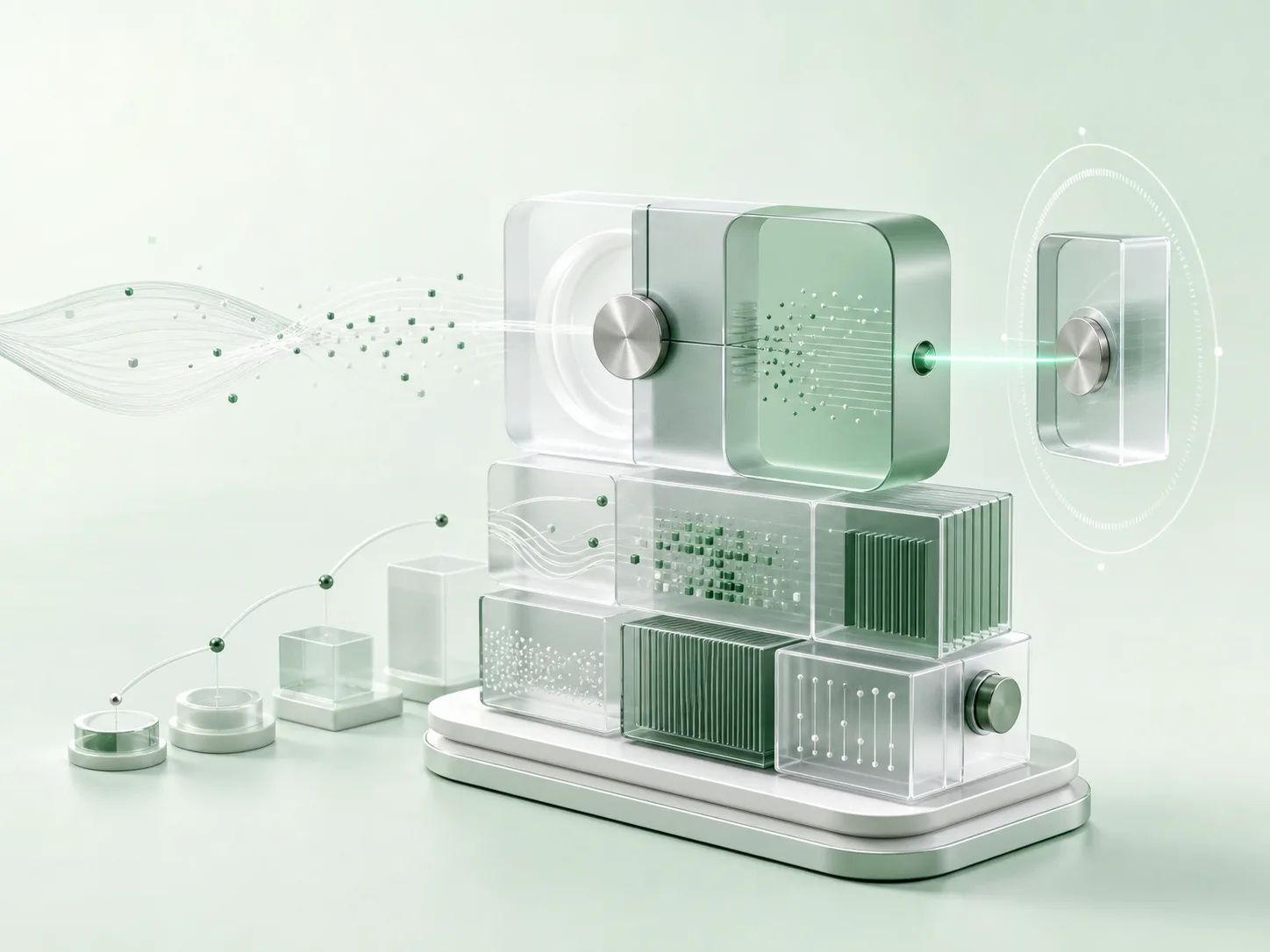
Solution architecture
Each stage reduces uncertainty around one decision and ends with a testable next step.
We define the problem, segment, alternatives, value, willingness to pay and the decision the team will make based on the results.
We pick interviews, a message test, a landing page, a concierge test, a pre-order, a prototype or a technical proof of concept.
We test the hypothesis with target users and record behavior, commitments and alternative explanations.
We bring the facts together on an evidence board, assess signal strength and update the product model.
We move on to a prototype or MVP, narrow the segment, change the offer, run a new test or stop investing.
Unit economics and ROI
Discovery does not guarantee product-market fit. Its economic effect is catching a weak hypothesis early, before it turns into months of development, complex architecture and commitments to the market.
The team first invests in the cheapest way to get a strong signal. The result can be a move to a prototype or a deliberate decision to stop the product. Both protect the next budget.
Result
Discovery ends with a decision map and the scope of the next experiment, not a lengthy research report.
Comparison of approaches
Where to start depends on whether the problem, the segment and the client's readiness to act are confirmed.
| Approach | What it tests | Main risk | Output |
|---|---|---|---|
| Develop an MVP right away | Reaction to a finished product | Testing a weak hypothesis is expensive | A working version |
| Run general research | Attitude to the category | Interest without commitment | An analytical report |
| Product Discovery | A specific decision and behavior | Requires readiness to change the original idea | Evidence and the next test |
Limitations and risks
The stage is useful only when the team is ready to change its decision based on the results.
If scope, segment and budget cannot be revised, the research will not change what you do.
Once the problem and scenario are confirmed, you can go straight to UX testing.
Without observable behavior and strong market signals, conclusions will remain guesswork.
A good fit
Not a fit
For IT products
Product Discovery for an IT product answers one question: is it worth building an MVP, and at what scope. The way we test depends on the product type, because SaaS, a mobile app and a B2B service carry different main risks.
For SaaS the main risk is usually not features but whether clients will pay on a recurring basis. We check how the client solves the task today, with spreadsheets, a contractor or another service, how much time it takes them and what will be the first value in the product. A strong signal is a pre-order, a letter of intent or agreement to a paid pilot.
For mobile apps we check how often the task arises and whether it matters enough for a user to install yet another app. We use interviews, message tests and a clickable prototype, and check whether the problem is already solved in WhatsApp, Kaspi or an existing service. Without a recurring scenario, retention after install will be low.
In B2B the user, the department head and the person who pays are different people. Discovery studies each of them separately: what pain the user feels, which metric the department head is accountable for, what conditions finance and procurement set. In small Kazakhstan companies the business owner often makes the decision, so we test the owner's arguments first.
When a working product enters a new segment or loses traction, Discovery helps avoid carrying old assumptions over blindly. We compare the behavior of current and new clients, look for reasons for usage and churn, and check whether the offer, onboarding or monetization model needs to change before development is restructured.
How it works
Testing a product hypothesis is a series of low-cost experiments, each answering one question and ending in a decision. Below is how we run Product Discovery before MVP development in Kazakhstan and which artifacts the team keeps.
We start by writing down every assumption the idea rests on: who the client is, what problem they have, what they use now, why they would switch and how much they are willing to pay. Each assumption is scored on two axes: how confident we are and what we lose if we are wrong. We work first on what is both uncertain and costly. The artifact is a hypothesis map with the wording, test method and success criterion written down before testing. Without a pre-recorded criterion any result is easy to read in favor of the idea, and Discovery turns into confirming a decision already made.
We build interviews around what a person has already done, not what they would do. We ask when the problem last came up, how they solved it, how much time and money it took and what they did not like. We do not ask “would you buy it?” or “do you like the idea?”: polite agreement is not a signal. Interviews are held in Russian or Kazakh, whichever the respondent prefers. In B2B we keep in mind that the Kazakhstan market is small: we find respondents through referrals and professional communities and treat each interview with care, because going back to the same person is harder.
An opinion is not a signal, so after interviews we move to tests that require action. This can be a landing page with a price and a sign-up form, a message test in ads, a concierge test where the team delivers the service by hand, a pre-order or a paid pilot. For each experiment we define in advance which action counts as a strong signal: leaving contact details, booking a meeting, making a prepayment. If the product targets the Kazakhstan market, we also test familiar payment methods such as Kaspi, since the payment barrier can matter more than features. Results are recorded right away together with the experiment conditions so they can be compared.
The main competitor of a new product is often not another service but a habitual way of working: a spreadsheet, a WhatsApp chat, an outsourced accountant or an employee doing the work by hand. We build a map of alternatives: what the client uses now, what they like about it, what switching costs them and which local players already exist in Kazakhstan. We also look at international products available here but not adapted to the local language, payments and data requirements. The artifact is a map of alternatives with the reasons a client might switch and the reasons they would stay with the current solution. Interviews often reveal alternatives the team missed, so the map keeps updating.
All facts go into an evidence board: hypothesis, source, what exactly was observed, signal strength and alternative explanations. It is not a hundred-page report but a working board that shows which assumptions are confirmed, which are refuted and which are still open. At the final meeting the team makes one of the decisions: move to a prototype or MVP, narrow the segment, change the offer, run a new test or stop investing. The stop condition, the Hard Stop, is agreed at the start so the decision is made on data rather than attachment to the idea. The board is kept from day one rather than assembled at the end.
Once a hypothesis is confirmed, Discovery results become the MVP brief: which scenario delivers first value, what can be done manually and what must be automated, which metrics will show that the product works. This way MVP development in Kazakhstan starts with a narrow scope and a clear success criterion rather than a list of every feature. We also record market expectations: an interface in Russian and Kazakh, payments through local services and, if the product collects personal data, where it will be stored. The scope goes to the development team together with the evidence board so decisions are not lost.
Step by step
Below is how Discovery runs in practice for an IT company or a product founder: who takes part, what happens and which artifact remains after each step.
We meet the founders and key product people. We write down the idea, the target segment, known facts and which decision Discovery must lead to. We also agree on the stop condition and on who has the right to make the final decision. The output is a one-page brief with the research question and an agreed success criterion.
We define the respondent profile and find people through the founders' network, referrals, professional communities and current clients. For B2B we set the roles in advance: user, department head, finance, business owner. We prepare an interview guide in Russian and Kazakh. The artifact is a list of booked interviews and a guide tested in one or two trial conversations. If the right people are hard to reach, we revise the profile or search channel with the founders right away.
We run interviews about past behavior and, where possible, watch how the person solves the task today: opening a spreadsheet, writing in a chat, calling a contractor. Founders join at least some of the conversations to hear the client directly. After each interview we record facts and quotes the same day. The output is transcripts, fact cards and first patterns across segments.
Based on the interviews we pick the cheapest way to get a strong signal: a landing page, a message test, a concierge scenario, a pre-order or a paid pilot. We build the experiment, run it on the target audience and track behavior, not opinions. The artifact is the experiment results together with the conditions under which it ran and an assessment of signal strength. If the signal is weak, we change one parameter and repeat rather than starting over.
We hold a final meeting over the evidence board: what is confirmed, what is refuted, what remains open. The team decides whether to move to a prototype or MVP, change the segment or offer, or stop. If we go into development, we prepare the MVP scope, first-release metrics and a list of risks to test on the product itself. The artifact is a decision record and a brief for the development team.
Ways to work
Discovery timing depends on the number of risky hypotheses, segment complexity and how fast we can reach users. Work continues until the signal is strong enough for one decision, and the stop condition is agreed at the start.
| Format | What is included | Timeline | Outcome |
|---|---|---|---|
| Single hypothesis test | Assumption map, interviews, one experiment, evidence board | A few weeks | Decision: continue, change or stop |
| Discovery before an MVP | Segmentation and ICP, interviews, map of alternatives, value and monetization test | Defined after the diagnostic | MVP scope and success criteria |
| Discovery for B2B | Research with the user, department head, finance and procurement; testing readiness for a paid pilot | Defined after the diagnostic | A clear buying process and arguments for each participant |
| Discovery for an existing product | Reasons for usage and churn, testing a new segment or monetization model | Defined after the diagnostic | A product change plan backed by client behavior |
We choose the right format during a free basic diagnostic session, after reviewing the idea, the segment and the product's main risk.
Frequently asked questions
There is no universal number. We look at sample quality, differences between segments and how consistently signals repeat.
No. It reduces specific risks. Product-market fit is confirmed by market behavior after launch.
Yes. We separately research the user, the department head, procurement, finance and other people involved in the decision.
Yes, especially when traction is lost, the product is entering a new segment or the reasons for usage and churn are unclear.
The duration depends on the number of risky hypotheses, the complexity of the segment and how quickly we can reach users. The work continues until there is a signal strong enough for one specific decision, not until a predefined research volume is reached. The timeline and stop condition are agreed at the start.
The cost depends on the number of hypotheses, the chosen test methods and the complexity of the segment: interviews, message tests, a landing page or pre-orders require different resources. In B2B there is extra work with several people involved in the decision. The goal of the stage is to spend less than building on an untested hypothesis would cost.
Defining the priority segment and problem, analyzing alternatives, and testing value, the monetization model and willingness to pay for a subscription. For SaaS we also look at the path to first value and at who in the customer's company makes the buying decision. The output is an evidence board and the scope of the next experiment or MVP.
Market research describes the market and attitudes to the category. Discovery tests specific product hypotheses through user behavior and commitments and ends with a decision: continue, change or stop. A positive opinion without action does not count as a strong signal.
That is also a result, and it protects the budget. The options are to narrow the segment, change the offer, test a different problem or consciously stop investing. The stop condition is agreed in advance so the decision is driven by data rather than attachment to the idea.
See also
We design the user scenario, build an interactive prototype and test…
We build SaaS, e-commerce, client portals and digital services: product…
We audit architecture, code, data, security, infrastructure and development processes
We design and implement API integrations with CRM, ERP, payments, maps and external…
We connect product, ICP, offer, channels, analytics and sales into one GTM cycle
Return to the hub and choose another scenario with a measurable effect.